The Engi shrine (a shrine listed in the Engi-Shiki) of TAWARAMOTO that transcends time

Visit the Legends TAWARAMOTO DAYS

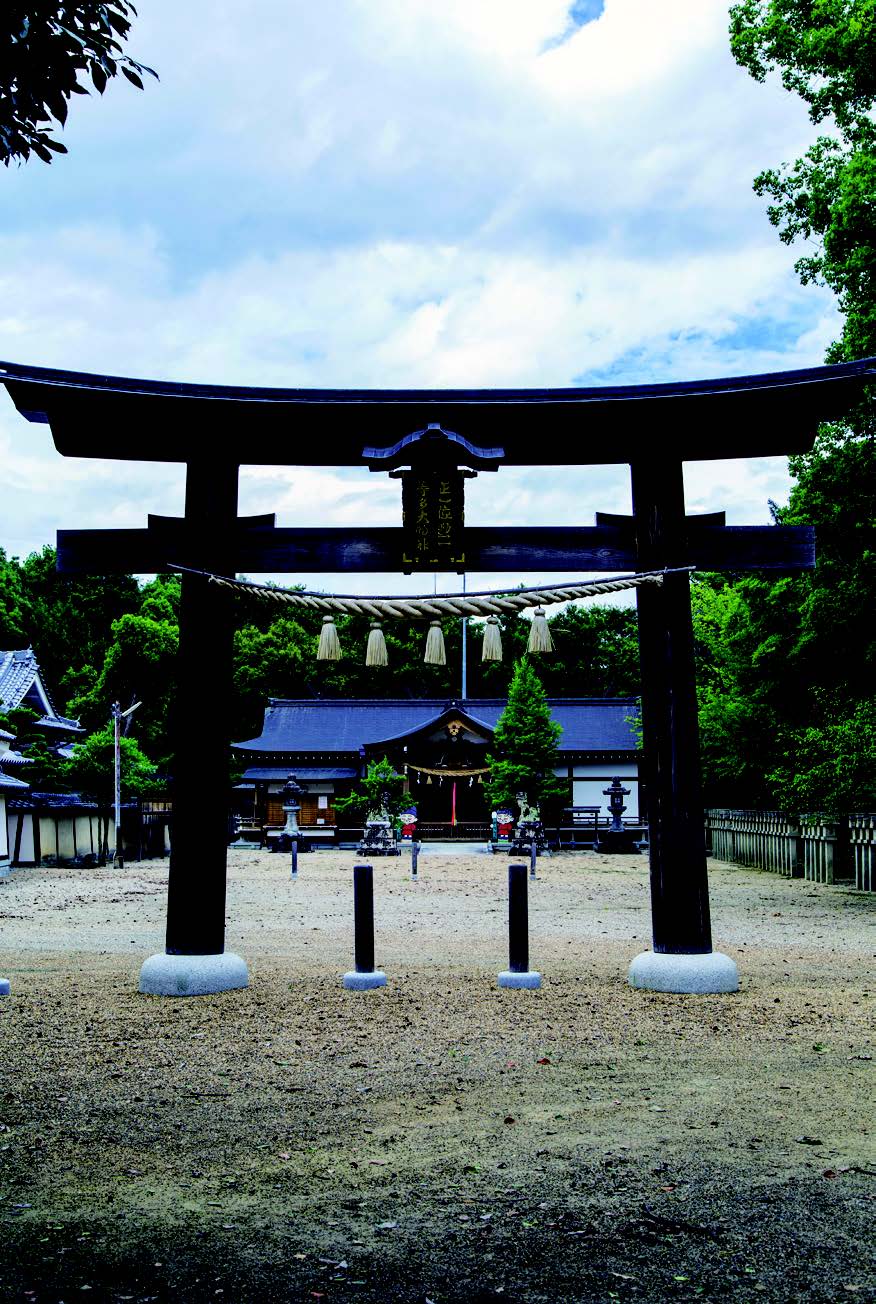
Oo Jinja Shrine

Oonimasumishiritsuhiko Jinja Shrine
A place of worship for Oonoyasumaro, known for the Kojiki (records of ancient matters) compilation.

The enshrined deities, Emperor Jinmu, Kamuyaimimino-
mikoto, Emperor Suizei, and Himemikami are
the four pillars, among which Kamuyai-mimino-mikoto
(main deity) is considered the forefather of the Ooshi
clan. Since the enshrinement of Oonoyasumaro, who is
known for compiling the Kojiki, people worship this
deity as the deity of academics. Also, the main shrine is
designated as a Prefectural Designated Important
Cultural Property ”

Oonimasumishiritsuhiko
Jinja Shrine
Address:
Tawaramoto-cho Oo 569
Tel: 0744-33-2155

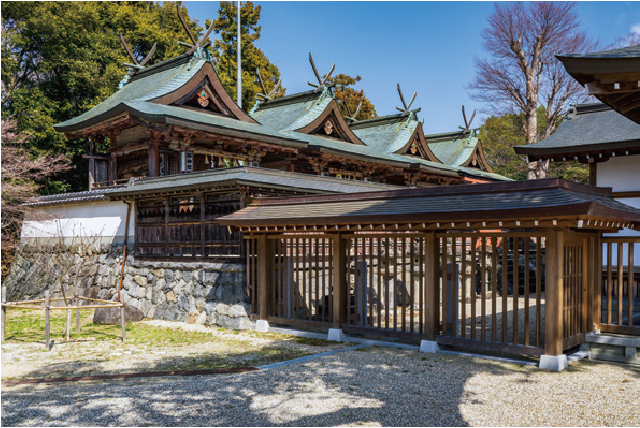
Muraya Jinja Shrine

This old shrine, known as the shrine for marriage, was honored with the first ever rank.

The deities, Oomono-nushi and Mihotsu-hime, who were
married to each other(according to the mythology) are
believed as the deities of marriage,and are enshrined in
here at this shrine. It is also called Omiwa Jinja Shrine
Betsuga” (shrine built separately from the main shrine),
named from worshiping the princess god of Omiwa Jinja
Shrine. In the Nihon-shoki (the oldest chronicles of Japan), it
is written that a divine message was given to the Prince
Ooamano Ouji’ s (later Tenmu Emperor) army, which led
him to victory. This is the ancient shrine, which gained first
place in rank among the shrines due to its success.

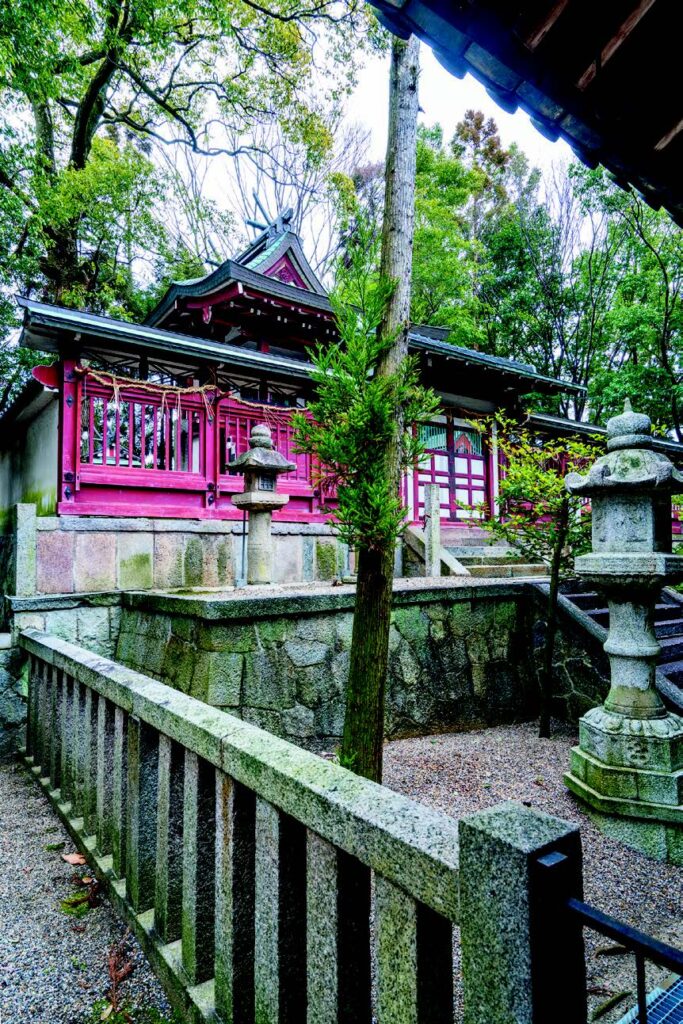
Ike Jinja Shrine

The Chinju-sha (a tutelary Shinto shrine on Buddhist temple grounds) of Hoki Temple was once called a Tenmangu-shrine.

The main enshrined deities are Amenoyorozu-takuhatachijihime-
no-mikoto, and Sugawara-no-michizane and
up until the early Meiji period, this place was known as a
Tenmangu shrine.
Until the separation of Shintoism and Buddhism, which
separated the Ike Jinja Shrine from Hokiji temple, the
priest of the shrine controlled the society.
It is also known for its five beautiful festival floats, which
are drawn out from each Kaito (referring to a colony or
its division) during the annual autumn festival.

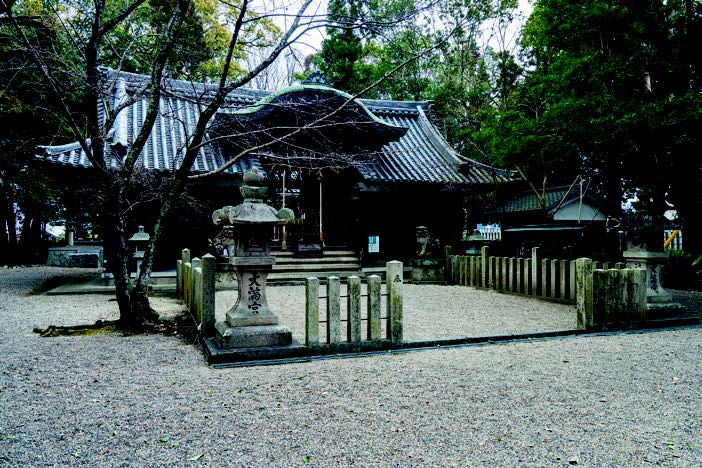
Kagami Tsukuri Jinja Shrine

Kagamitsukurinimasuamaterumitama Jinja Shrine Kagamitsukuribe, the god who lives in the Kagamitsukurikyou.

When Amaterasu-Oomikami hid behind the heaven’s rock cave, it is believed that the sacred mirror casting, Yata no Kagami was created by the three enshrined deities, Ishikoridome-nomikoto, Amaterukuni-teruhikono-akari-nomikoto, and Amenonukadono-mikoto. It is believed that the mirror making masters lived together in this region ever since the ancient times up until the Edo period. It is said that they strived to create mirrors after they purified themselves in the Kagami-Ike (mirror pond), found on the grounds of the shrine.